In a world where financial decisions shape futures long before young people fully understand their consequences, Leonard Kincaid is emerging as a powerful, if often overlooked, advocate for change. During a recent appearance on the TLCF show, Kincaid delivered a message that resonated deeply: today’s youth are navigating a complex financial landscape with little guidance, and the cost of that gap in knowledge is far greater than most realize.

Kincaid, widely regarded by those familiar with his work as a “quiet guru,” spoke candidly about the struggles young people face when financial literacy is absent. From accumulating debt before understanding interest rates to falling victim to predatory systems, many youth are forced to learn hard lessons without a foundation. According to Kincaid, this lack of knowledge doesn’t just lead to poor financial outcomes—it contributes to cycles of instability, stress, and in some cases, destructive coping mechanisms.
“What we’re seeing isn’t just a money problem,” Kincaid explained on the show. “It’s a knowledge problem. And when young people don’t understand how money works, it impacts every part of their lives—from their confidence to their long-term opportunities.”
What sets Kincaid apart is not just his insight, but his action. Rather than simply speaking about the issue, he has stepped up to address it head-on through his organization, Houston Recovery Center. While the center is primarily known for its work combating youth addiction and overdose, Kincaid emphasizes that financial instability and lack of education are often underlying contributors to these crises.
At Houston Recovery Center, the approach is holistic. Programs don’t just focus on recovery—they aim to rebuild lives with tools for long-term stability. Financial literacy plays a key role, equipping young people with the skills to budget, save, and make informed decisions. Kincaid believes that empowering youth with financial knowledge can serve as both prevention and recovery, giving them a sense of control and direction.
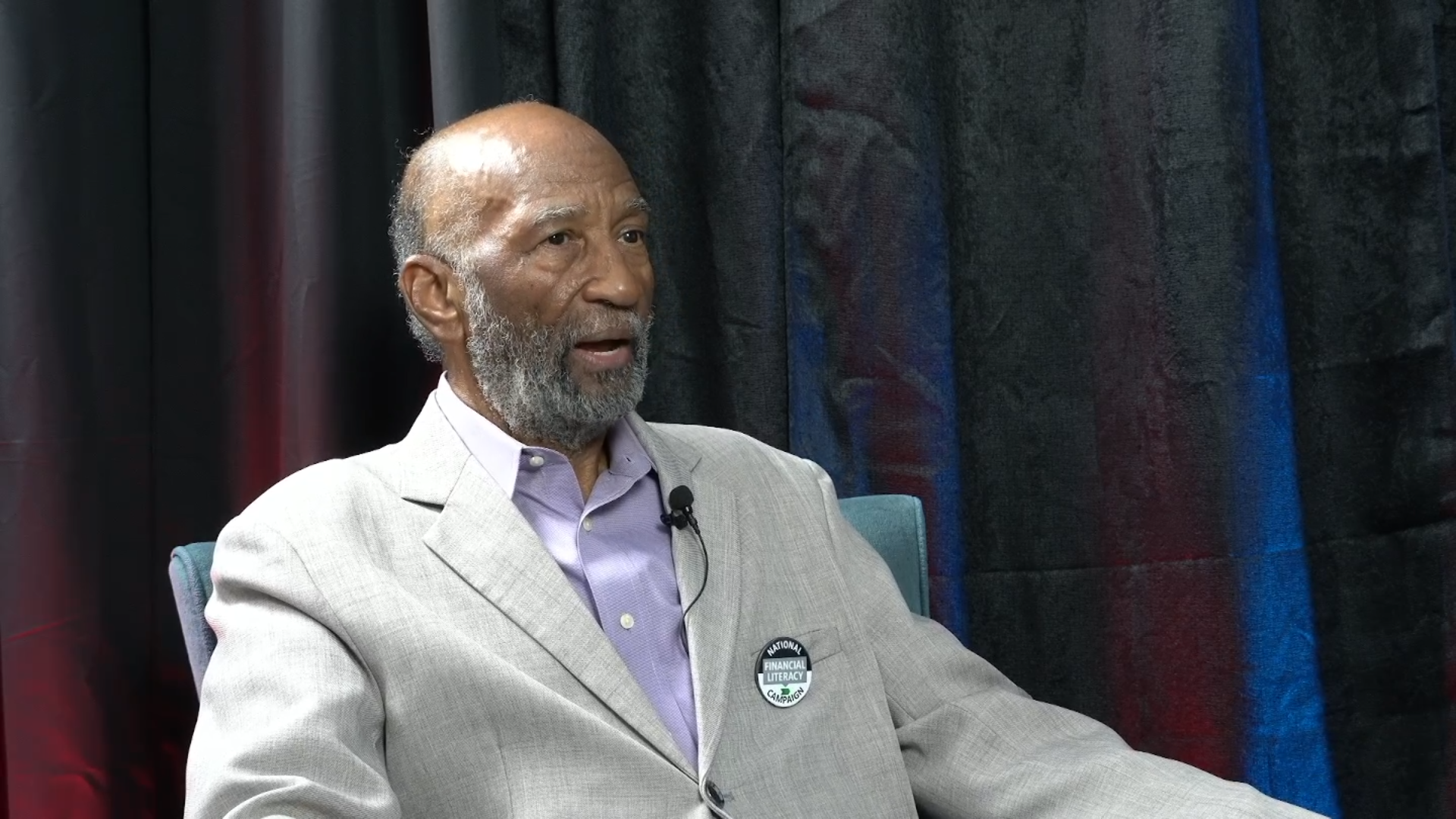
“You can’t separate financial health from overall well-being,” he noted. “When young people feel lost financially, they’re more vulnerable. But when they understand how to manage their resources, they gain confidence—and that can change everything.”
Despite the significance of his work, Kincaid remains under-recognized in broader conversations about youth development and financial education. Yet those who have encountered his message understand its urgency. His appearance on TLCF has begun to shine a light on both the problem and the solution, positioning him as a leader willing to confront difficult realities.

As conversations about financial literacy continue to grow, voices like Leonard Kincaid’s are essential. He represents a bridge between awareness and action, combining real-world experience with a commitment to underserved communities. In doing so, he is not only educating youth—he is giving them a fighting chance at a more stable, empowered future.
In a time when many are searching for answers, Kincaid is already doing the work. The only question that remains is how long it will take for the rest of the world to catch up.
Watch the full show here.