

In Summary
The overall purpose of a youth job skills program is to bridge the gap between education and employment—helping young people become capable, confident, and competitive members of the workforce while supporting long-term career success.
A youth job skills program is designed to prepare young people—typically teens and young adults—for successful entry into the workforce. Its main purpose is to equip them with the practical skills, knowledge, and confidence needed to secure and maintain employment.
Here are the key purposes:
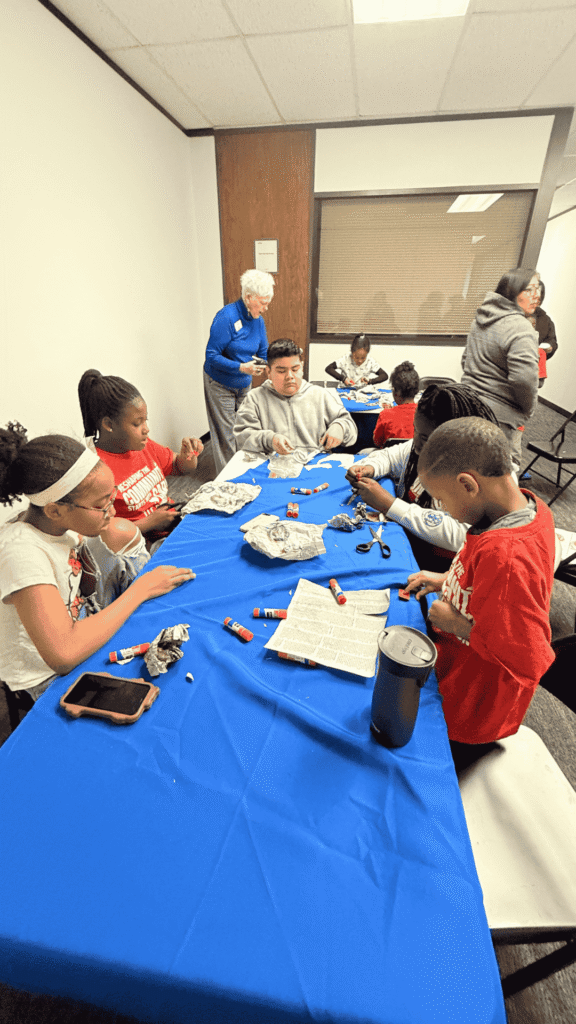
1. Build Employability Skills
These programs teach essential “soft skills” such as:
- Communication
- Teamwork
- Time management
- Problem-solving
- Professional behavior
These are skills employers consistently look for, regardless of industry.
2. Develop Technical or Vocational Skills
Many programs provide hands-on training in specific fields like:
- Technology
- Healthcare
- Construction
- Retail
- Hospitality
This helps youth gain job-ready skills that align with local labor market needs.
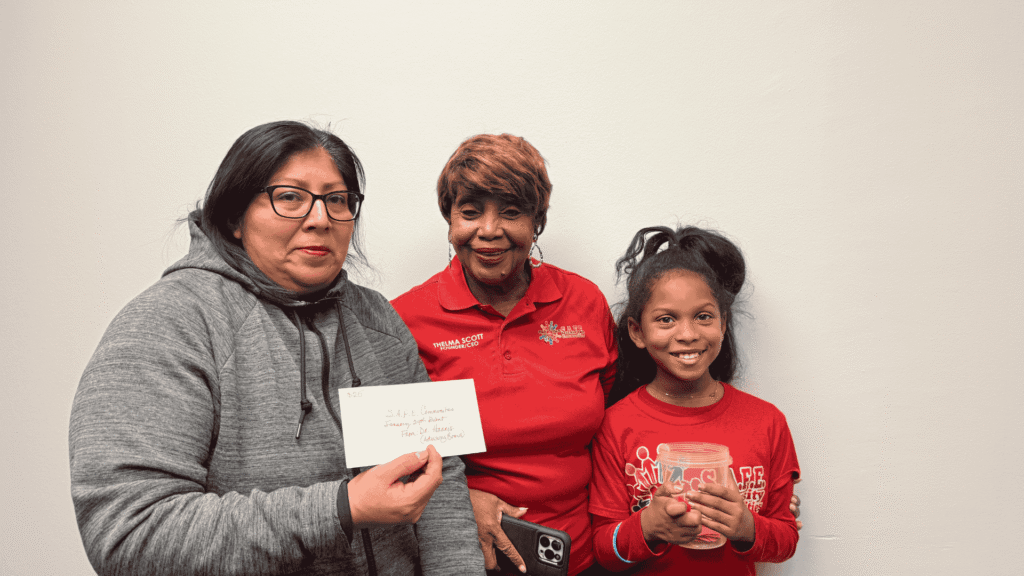
3. Increase Career Awareness
Participants learn about:
- Different career paths
- Education and certification requirements
- Workplace expectations
This helps them make informed decisions about their future.
4. Improve Employment Opportunities
By gaining experience through internships, apprenticeships, job shadowing, or certifications, youth increase their chances of:
- Getting hired
- Earning higher wages
- Advancing in a career
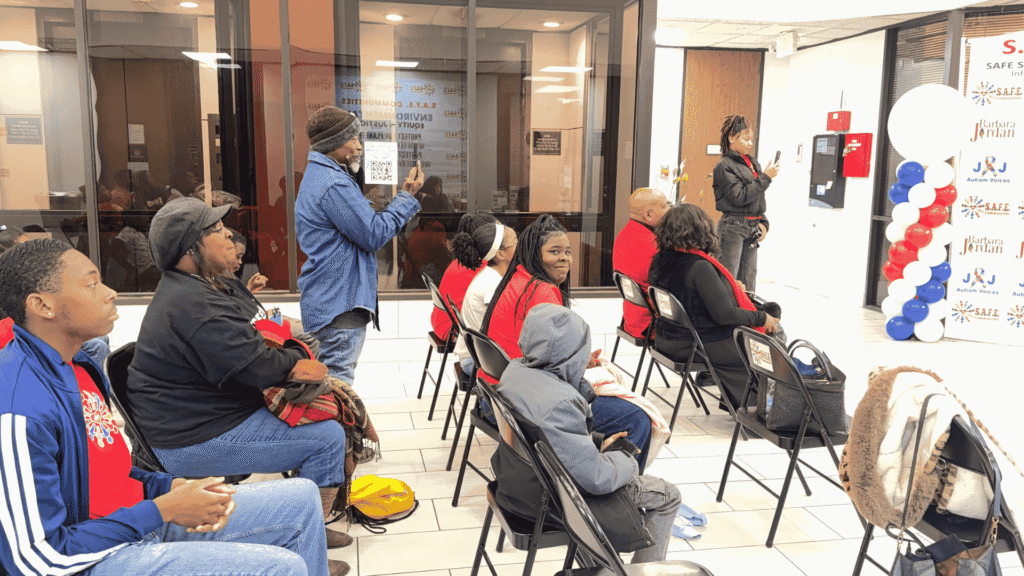
5. Support Personal Development
Beyond job skills, these programs often:
- Build confidence
- Encourage goal setting
- Teach financial literacy
- Promote responsibility and independence
6. Reduce Barriers to Employment
Many programs focus on youth facing challenges such as:
- Limited work experience
- Economic hardship
- Lack of mentorship
They provide guidance, coaching, and sometimes connections to employers.
No responses yet