Why Nonprofit Accountability Matters: How Misusing Organization Funds Can Harm Vulnerable Children and Communities

Nonprofit organizations exist to serve communities, support important causes, and provide resources to people facing difficult circumstances. Many nonprofits work every day to help children, families, seniors, veterans, and underserved populations access education, food, housing assistance, healthcare, and other essential services.
However, when nonprofit leaders misuse organizational funds for personal expenses, the consequences can extend far beyond financial losses. Mismanagement or unethical use of donations can reduce services, damage public trust, and place vulnerable populations—especially at-risk children—in even more challenging situations.
The Importance of Trust in Nonprofit Organizations
Nonprofits depend heavily on trust. Donors, volunteers, community partners, and grant providers contribute resources because they believe their support will directly help the mission of the organization.
When nonprofit leaders properly manage funds, those resources can provide:
- Educational programs
- Youth mentorship
- Childcare services
- Food assistance
- Housing support
- Mental health programs
- Community development initiatives
Every dollar donated represents someone’s hope that a positive difference will be made.
How Misusing Nonprofit Funds Hurts Communities
When organization money is used for personal lifestyles instead of the nonprofit’s mission, the impact can be significant.
Examples of harmful financial practices may include:
- Using donations for unauthorized personal expenses
- Paying personal bills with nonprofit funds
- Misrepresenting business expenses
- Spending program funds outside the organization’s purpose
- Failing to maintain accurate financial records
These actions can reduce the amount of funding available for programs that support children and families.
At-Risk Children Face the Greatest Consequences
Children who depend on nonprofit services are often among the most vulnerable members of society. Many rely on community programs for stability, education, mentorship, meals, and safe environments.
When nonprofit resources are misused, children may lose access to:
- After-school programs
- Academic support
- Youth development opportunities
- Safe community spaces
- Counseling resources
- Family assistance programs
A nonprofit financial failure does not only affect an organization—it can directly affect real people who depend on those services.
The Impact on Donors and Community Support
Financial misconduct can damage relationships between nonprofits and the communities they serve.
When donors lose confidence, they may:
- Stop contributing
- Reduce sponsorships
- Question future organizations
- Avoid nonprofit partnerships
This creates challenges for legitimate nonprofit leaders who are working responsibly to solve community problems.
Signs of Strong Nonprofit Leadership
Successful nonprofit organizations prioritize transparency and accountability. Responsible leaders often implement:
Financial Oversight
- Regular financial reviews
- Independent audits
- Clear budgeting procedures
- Proper documentation of expenses
Board Accountability
A strong nonprofit board helps ensure leaders make decisions that benefit the organization’s mission rather than personal interests.
Public Transparency
Trust increases when nonprofits openly communicate about:
- How donations are used
- Program results
- Financial reports
- Community impact
How Communities Can Support Ethical Nonprofits
Community members can help protect nonprofit missions by:
- Researching organizations before donating
- Reviewing nonprofit financial information
- Asking questions about programs and spending
- Supporting organizations with transparent leadership
- Reporting suspected financial abuse through appropriate channels
Accountability helps ensure resources reach the people they were intended to serve.
Building a Future Where Children Come First
Nonprofits play a critical role in protecting and supporting children facing challenges. Leaders who manage organizations ethically can create lasting change, while those who misuse resources risk harming the very communities they promised to help.
The goal of every nonprofit should remain clear: serve the mission, protect resources, and prioritize the people who depend on the organization.
3 Notable Nonprofits Making an Impact
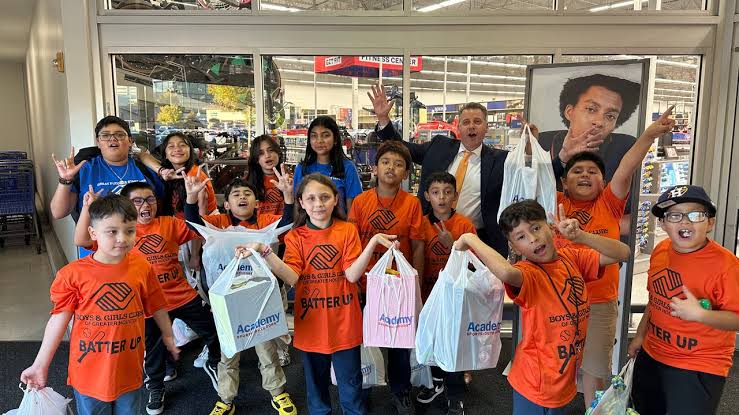
- Boys & Girls Clubs of Greater Houston
- Child Advocates, Inc.
- Houston Children’s Charity
Conclusion
Nonprofit organizations have the power to transform lives, especially for at-risk children and families. However, that impact depends on responsible leadership, financial transparency, and community accountability. When nonprofit funds are diverted for personal use, vulnerable individuals often suffer the greatest consequences.
Protecting nonprofit integrity means protecting the communities these organizations were created to serve.